
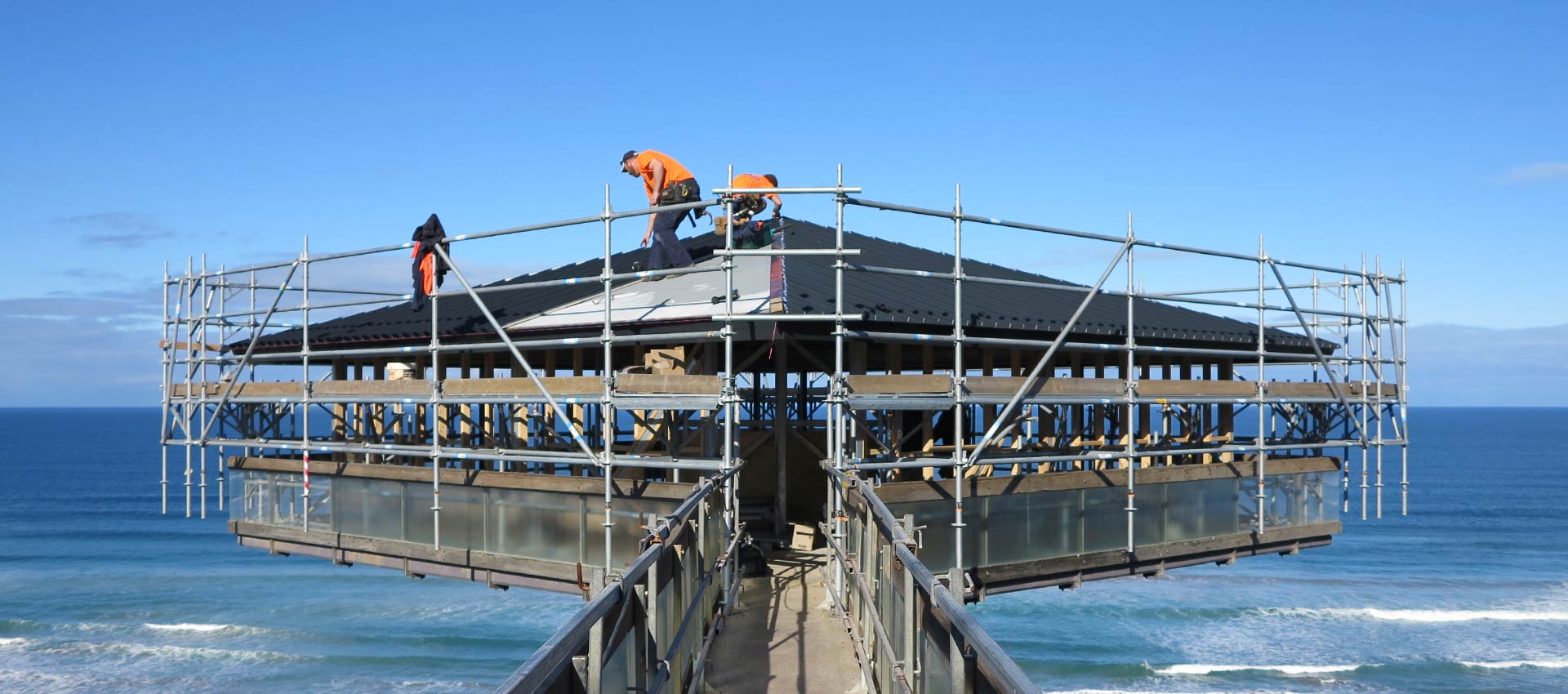
Architectural Metal Detailing: Why It Matters
February 4, 2026Architectural metalwork often appears simple from a distance. In practice, the difference between something that performs quietly for decades and something that becomes a maintenance issue lies in the details.
Whether you are an architect, builder or homeowner planning a design‑led project, understanding how metal behaves — and how it is detailed — is critical to long‑term performance, durability and visual clarity.
Detailing is where performance lives
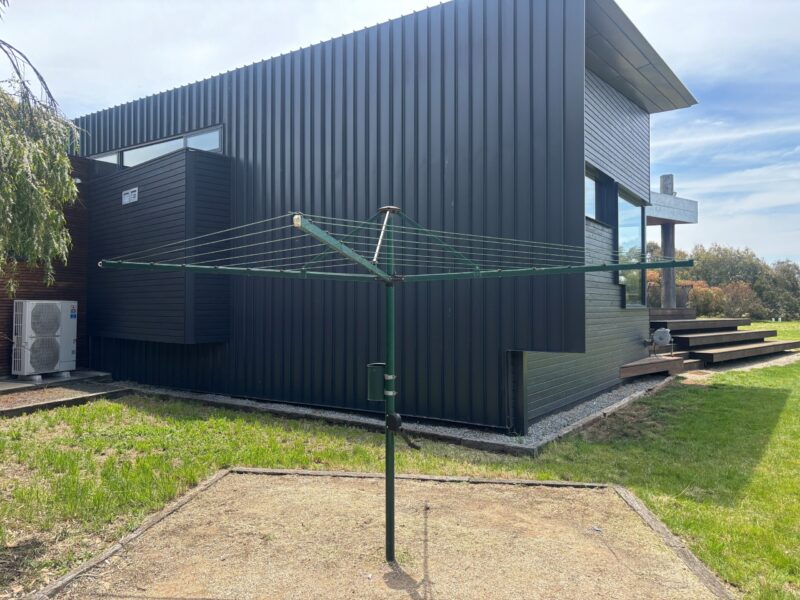
Architectural Cladding and custom Colorbond eaves
Metal cladding systems rely on folds, overlaps, junctions and terminations to do the hard work. When these are resolved properly, water is directed away from the building envelope, movement is accommodated, and finishes remain crisp over time.
Poor detailing, on the other hand, tends to show up quickly:
- Water tracking where it shouldn’t
- Visible staining or premature corrosion
- Warping, oil‑canning or stressed panels
- Patch fixes that interrupt clean architectural lines
Good detailing prevents these issues before they start.
Why junctions are the real test of performance
Large expanses of cladding often photograph well, but it is the junctions that determine whether a system will perform over time.
Key areas include:
- Where walls meet roofs
- Around projections and penetrations
- At eaves, soffits and returns
- Where different materials intersect
These locations require project‑specific solutions rather than generic details. Flashings, folds and terminations must respond to exposure, orientation and material choice — not just appearance.
Choosing the right architectural cladding system
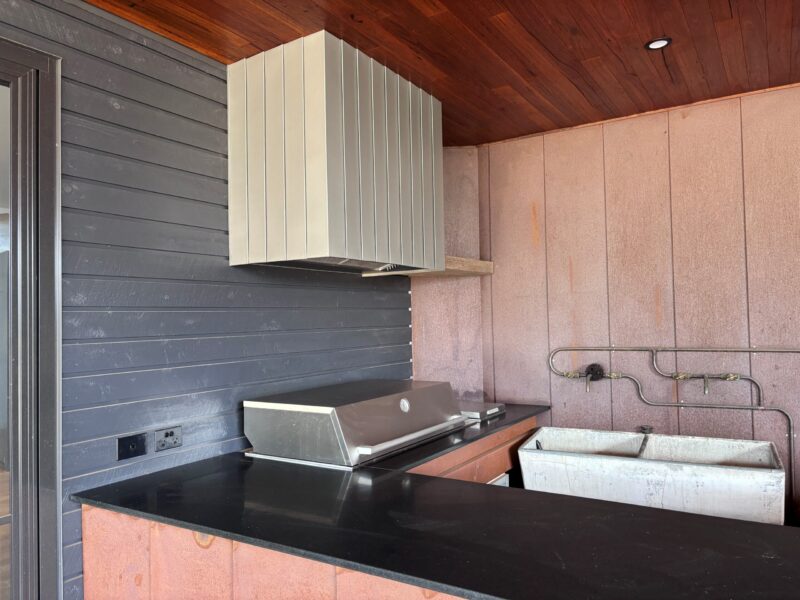
VM Zinc rangehood and Corten flatlock panels
Architectural cladding is not a single product category. Different systems suit different applications, and selecting the wrong one can compromise both performance and finish.
- Flatlock panels are well suited to façades, feature elements and boxed forms where sharp edges, tight junctions and controlled proportions are required.
- Standing seam systems are typically used on roofs and large wall planes where effective water shedding and a clean vertical rhythm are priorities.
System selection should always be considered alongside detailing, not as a separate decision.
Understanding material behaviour
All metals move. They expand, contract and weather in predictable ways, particularly in coastal or exposed environments.
Well‑resolved detailing allows for:
- Thermal movement without stress
- Controlled water paths
- Separation of dissimilar materials
- Long‑term durability without visual compromise
Ignoring material behaviour almost always leads to visible problems later.
Why in‑house fabrication makes a difference
When flashings, eaves and junction details are fabricated specifically for a project, tolerances are tighter and outcomes are cleaner.
In‑house fabrication allows details to be resolved before materials arrive on site, reducing on‑the‑fly fixes and ensuring the finished result aligns with the original design intent.
This approach is particularly important on architecturally designed homes where clean lines and precision are fundamental to the overall outcome.
Quiet work that lasts
The best architectural metalwork rarely draws attention to itself. It simply works — shedding water, maintaining clean lines and ageing as intended.
That outcome is achieved through careful system selection, considered detailing and fabrication that respects both design and performance.
Considering architectural metal detailing?
Architectural cladding and metal detailing work best when they are resolved early — before materials are ordered or junctions are locked in.
If you are planning a design‑led project and would like to discuss system options, detailing approaches or fabrication considerations, we are always happy to talk through the details early in the process.